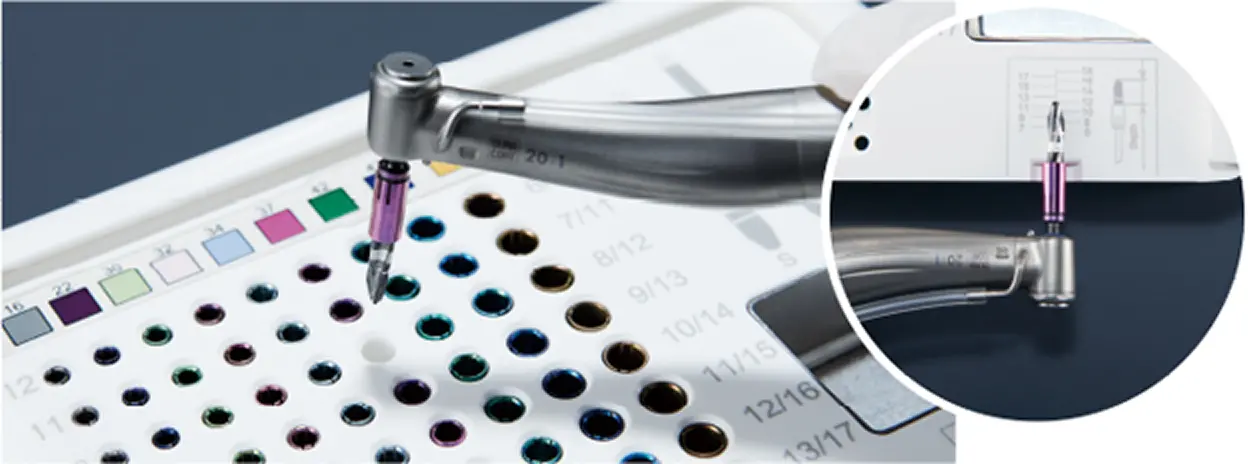
FINESIA is a dental implant developed with expectation of improving patients' QOL.
The information on this Web page is for medical personnel in Malaysia only.
Thread Design
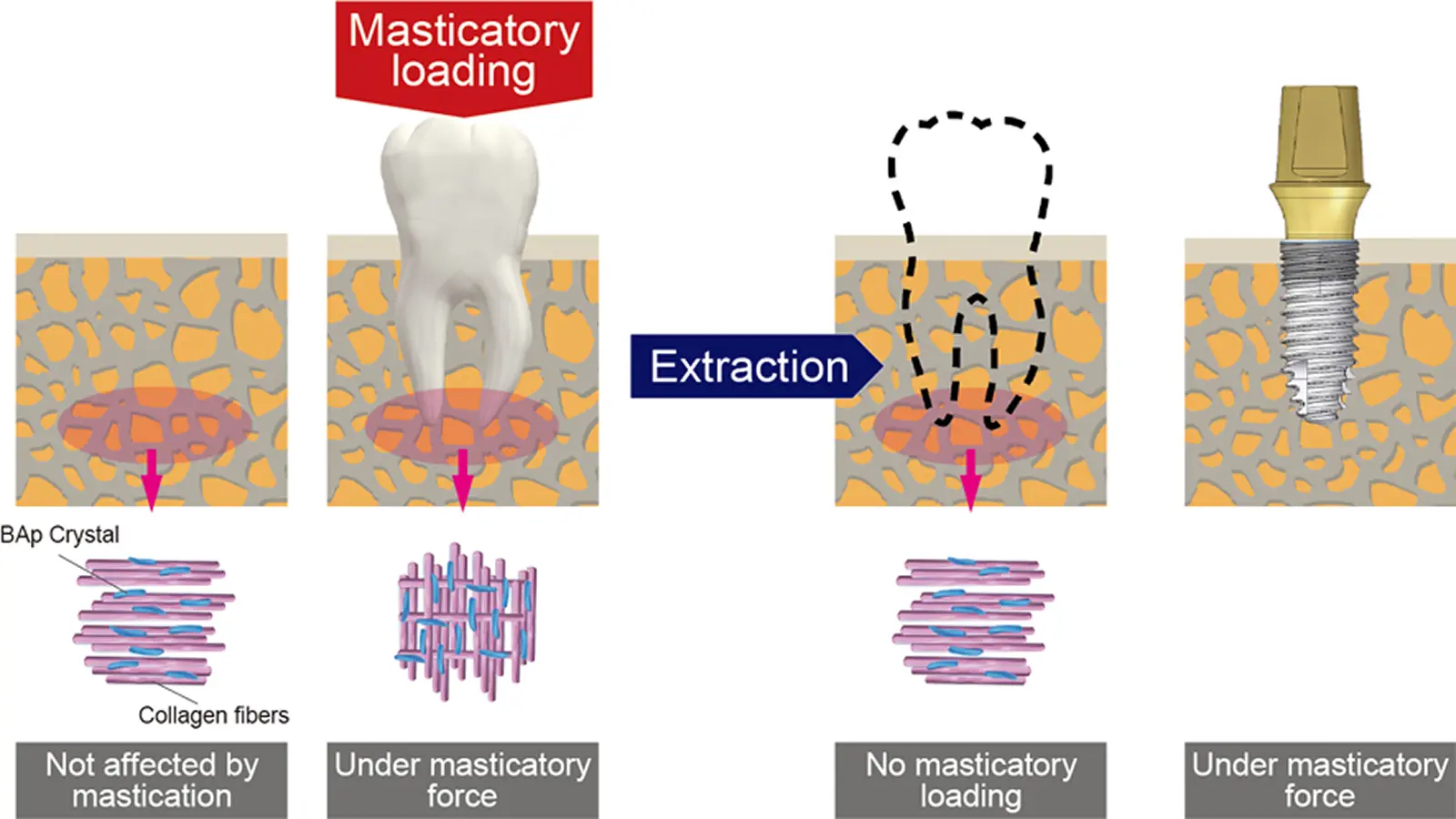
Schematics of the variable apatite/collagen preferential orientations with different masticatory conditions
The masticatory load applied to the natural teeth works to align the orientation of the surrounding collagen fibers and the biological apatite (BAp) crystal with the loading direction. Thus, this preferential orientation is responsible for improving bone quality.
Courtesy of Dr. Takayoshi Nakano,
Biomaterials and Structural Material Design, Process Engineering Course of Material Functioning Division of Materials and Manufacturing Science, Graduate School of Engineering, Osaka University, Professor
[Reference]
T. Nakano, K. Kaibara, Y. Tabata, N. Nagata, S. Enomoto, E. Marukawa, Y. Umakoshi, Unique alignment and texture of biological apatite crystallites in typical calcified tissues analyzed by microbeam X-ray diffractometer system, Bone 31 (2002) 479-487.
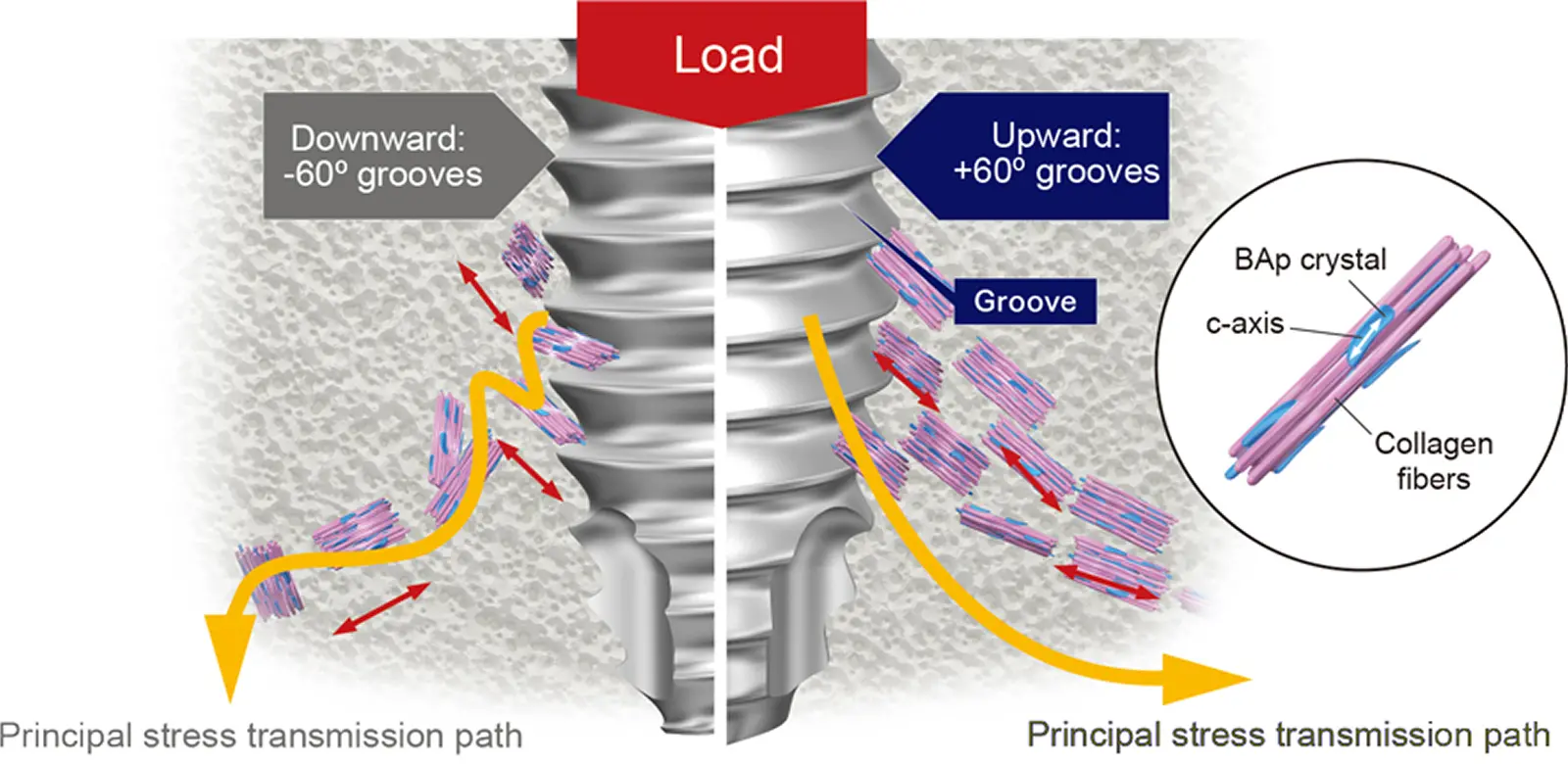
Schematics of apatite/collagen preferential orientations around the implant
A study has reported that the loading spectrum controls the preferential orientation of the biological apatite (BAp) crystal and collagen fibers. Different preferential orientations are reported around the upward and downward grooves, as shown in the figure on the right. Furthermore, the stress is continuously transmitted under the load by the upward grooves.
[Reference]
Optimally oriented grooves on dental implants improve bone quality around implants under repetitive mechanical loading. S. Kuroshima, T. Nakano, T. Ishimoto, M. Sasaki, M. Inoue, M. Yasutake, T. Sawase Acta Biomater. 2017 Jan 15; 48: 433-444.
FINESIA's thread has been designed to achieve long-term stability and control the biological apatite crystal and collagen fiber alignment of bone against a load, which is expected to help improve bone quality, based on joint research results.
Product
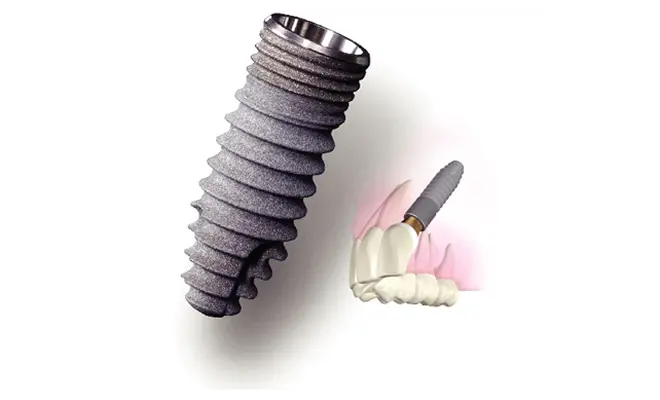
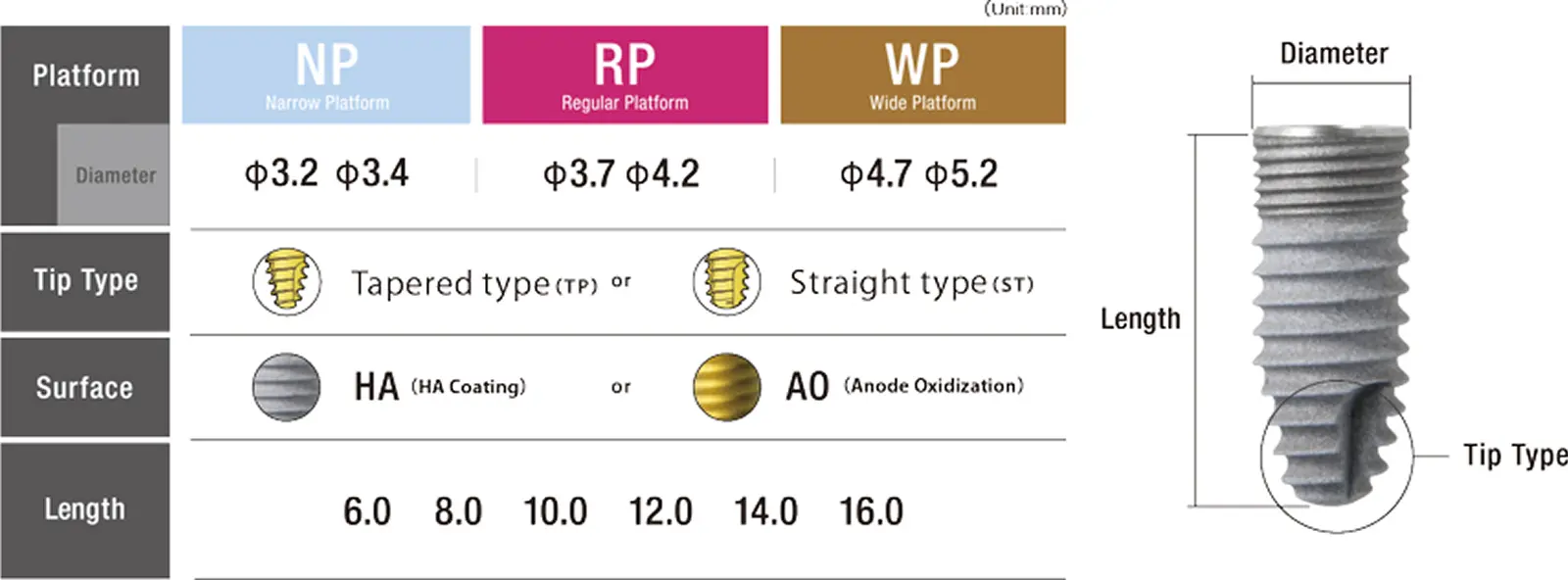
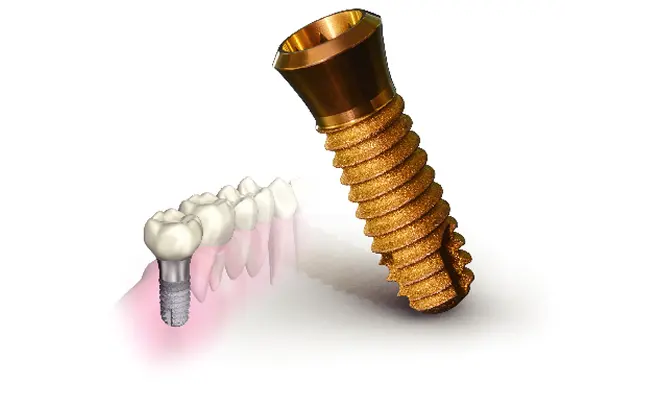
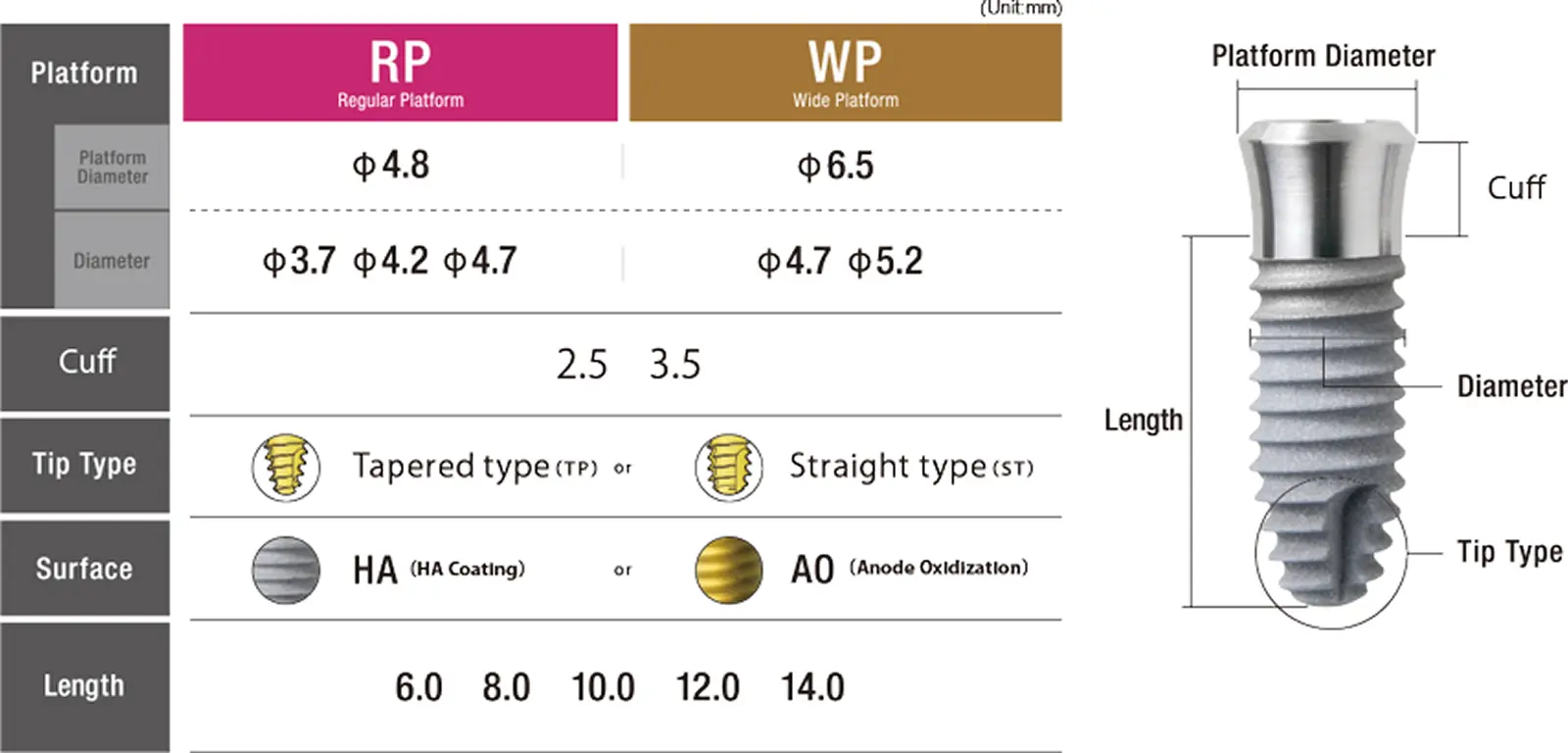
Bone Level(BL)
Bone Level type for esthetically demanding case.
-
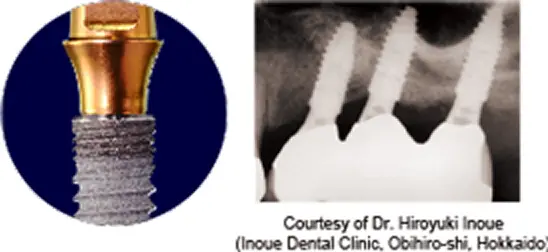
Platform switching
The implant-abutment diameter mismatch works effectively to preserve the peri-implant bone and stabilize the soft tissue.
-
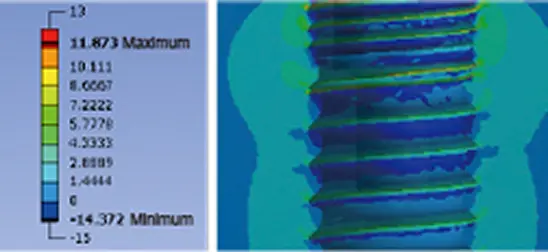
Microthread
Microthreads are designed at the implant neck, a critical part for retention, to allow effective transmission of the load to the bone while avoiding stress concentration.
-
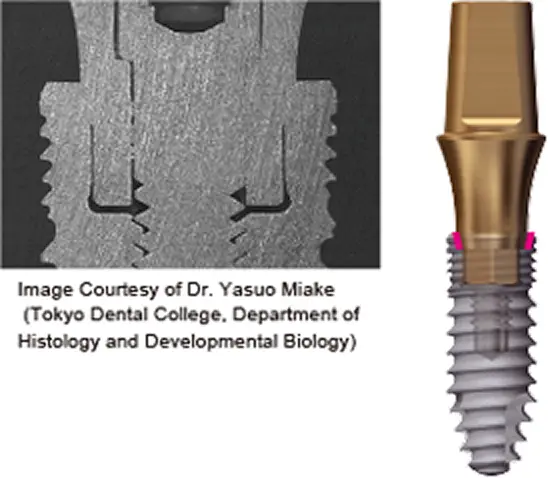
Tapered HEX Connection (8.5º per side)
The internal tapered connection (HEX) at the abutment-implant interface ensures an excellent seal.
Tissue Level(TL)
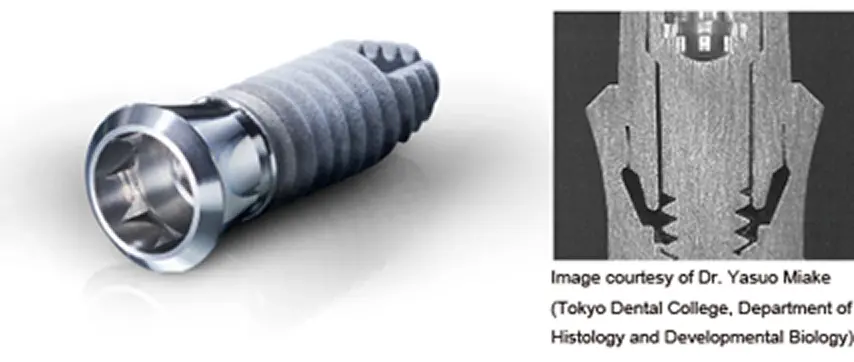
Tissue Level type for high-risk cases of periodontal diseases.
-
Tapered OCTA Connection (8.0º per side)
The internal tapered connection (OCTA) at the abutment-implant interface ensures an excellent seal.
-
Concave contour
Implant collar contacting the gingiva is designed with a concave profile for excellent soft tissue management.

1 Piece(1P)
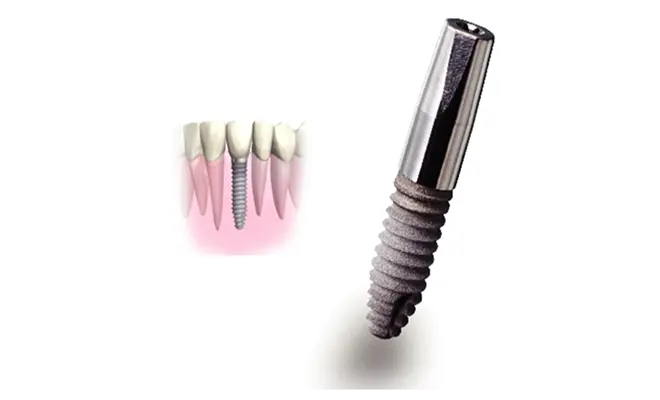
1 Piece (1P) type for narrow spaces and simple restorations.
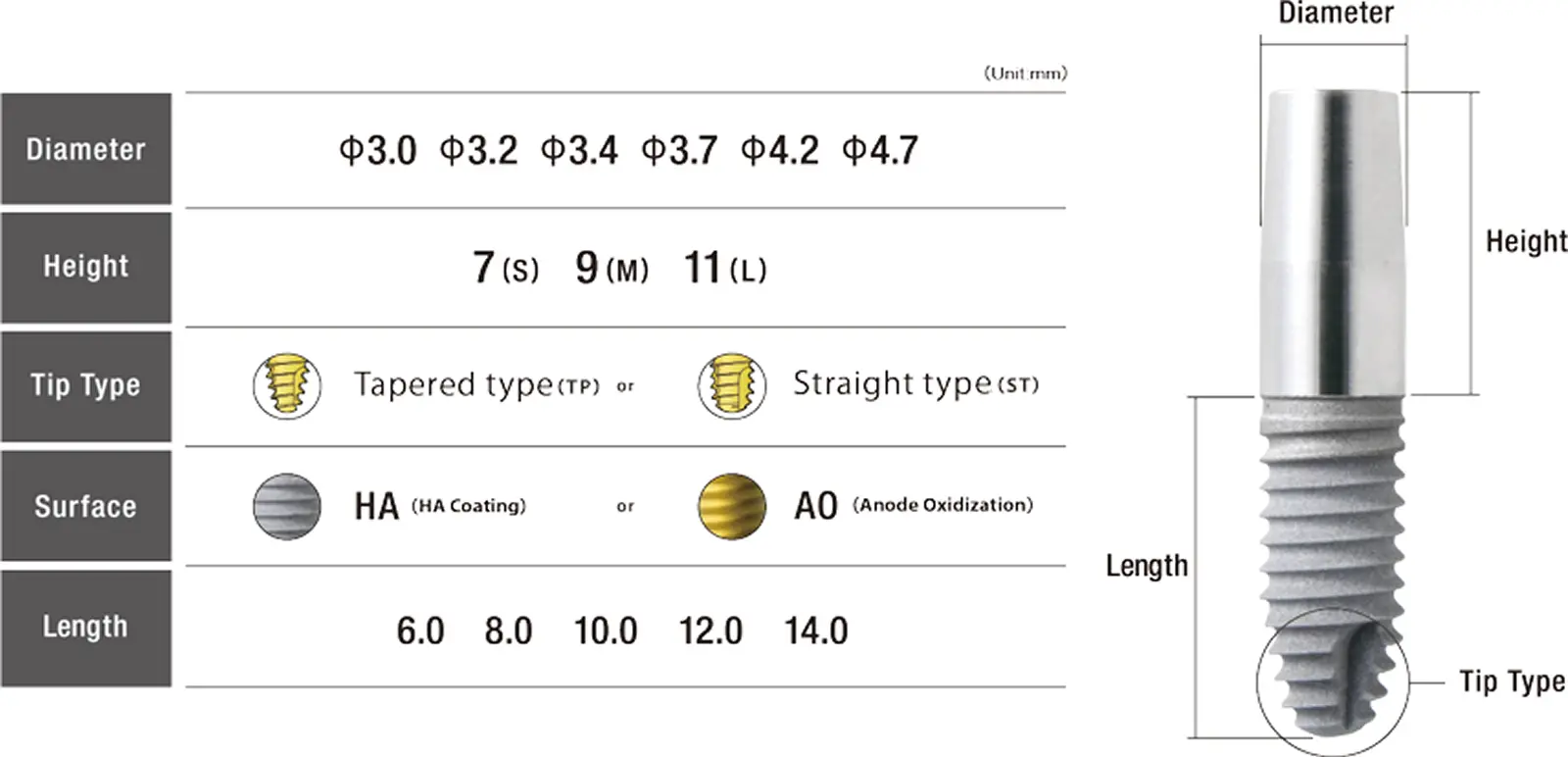
-
Internal torx design for insertion
The implant has an internal torx design at the top of the post, which engages with a hexalo driver for insertion. This allows the implant to be placed more flexibly by avoiding interference with adjacent teeth.
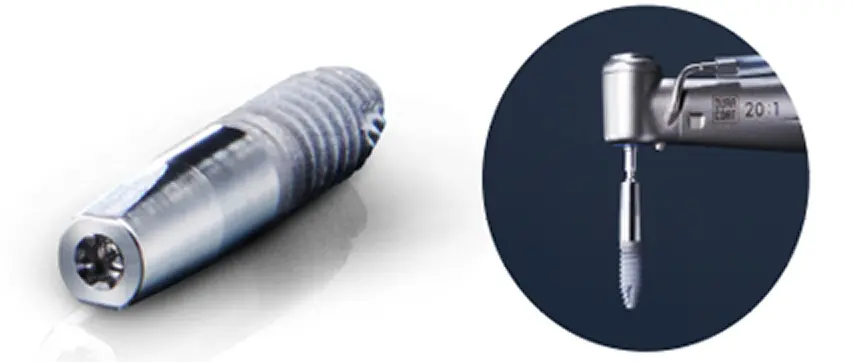
-
Subgingival design
A straight subgingival profile allows the preparation of prosthetics that can be used even with limited available space, such as lower single tooth restorations (suitable for narrow spaces).

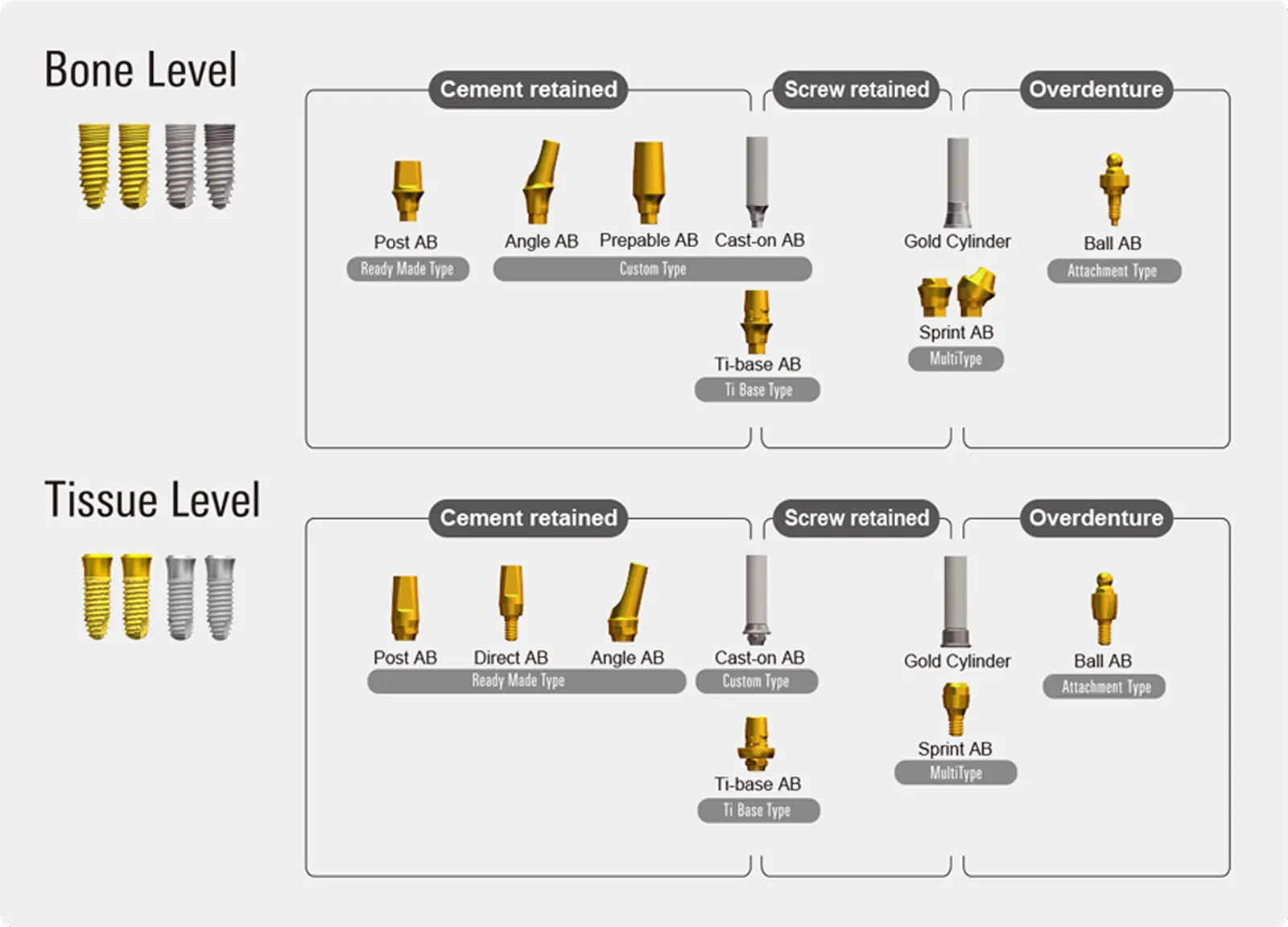
Prosthetic Parts
Extensive lineup of parts for more diversified and sophisticated prosthetic design.
As the concept of implant prosthesis changes and CAD/CAM technology advances, prosthetic designs are becoming increasingly diversified and sophisticated. Our product lineup offers a variety of parts, not only for cement and screw retained restorations and overdentures, but also for CAD/CAM restorations.
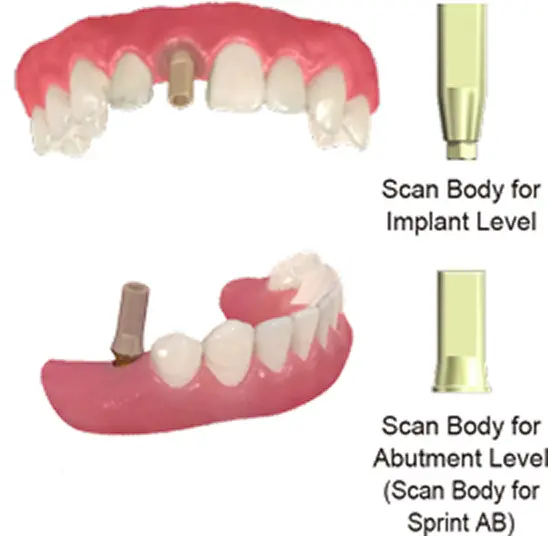
A line-up of Scan Body for IOS (Intra Oral Scanner), that can be used in the intraoral, enables optical impression.
Function
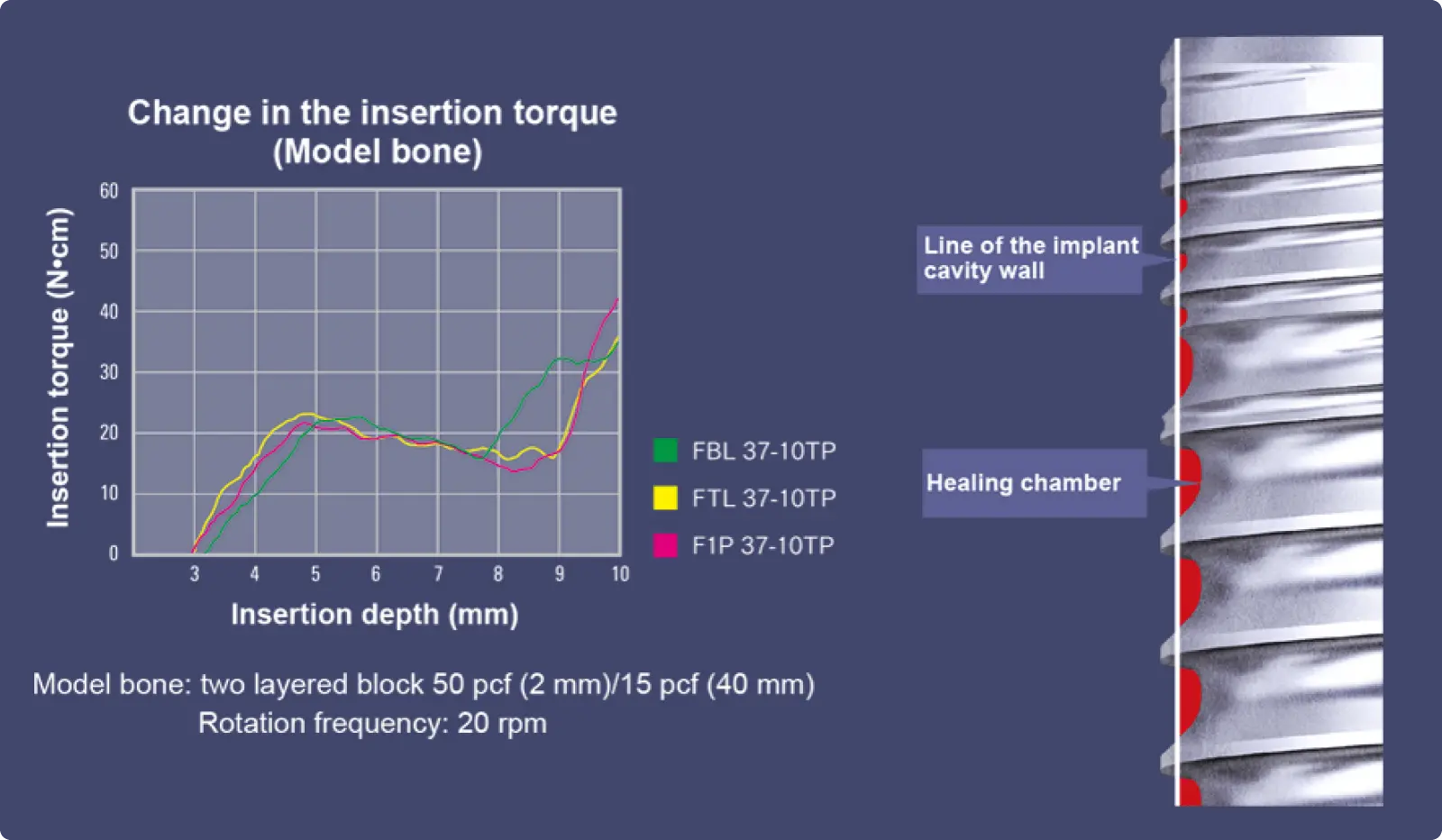
Healing chamber and insertion torque.
The implant cavity is prepared so that its wall line lies right between the inner and the outer thread of the implant body to form a healing chamber for blood clots to be trapped within it.
Root Tip
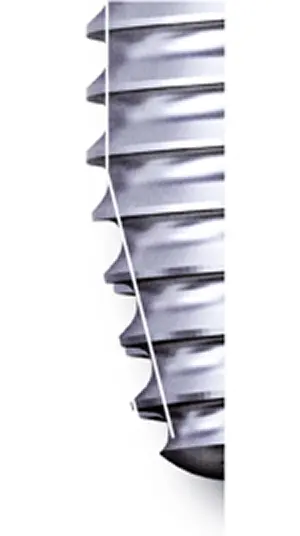
The threads of the root tip (apex) of the tapered type implant have deeper grooves than those of the body, effectively providing initial stability, especially in cases involving immediate implant placement after extraction.
Surface Treatment
HA Coating
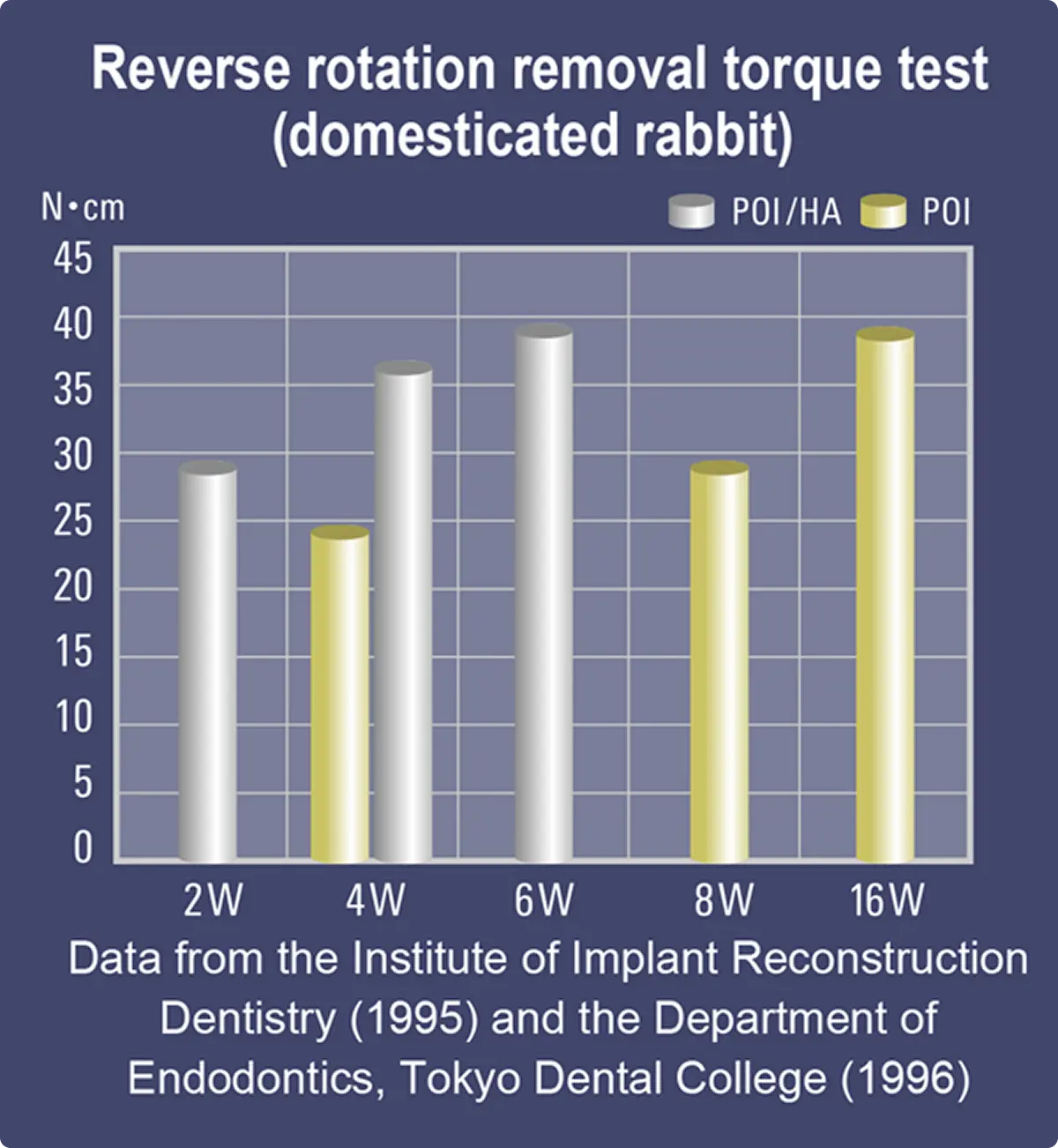
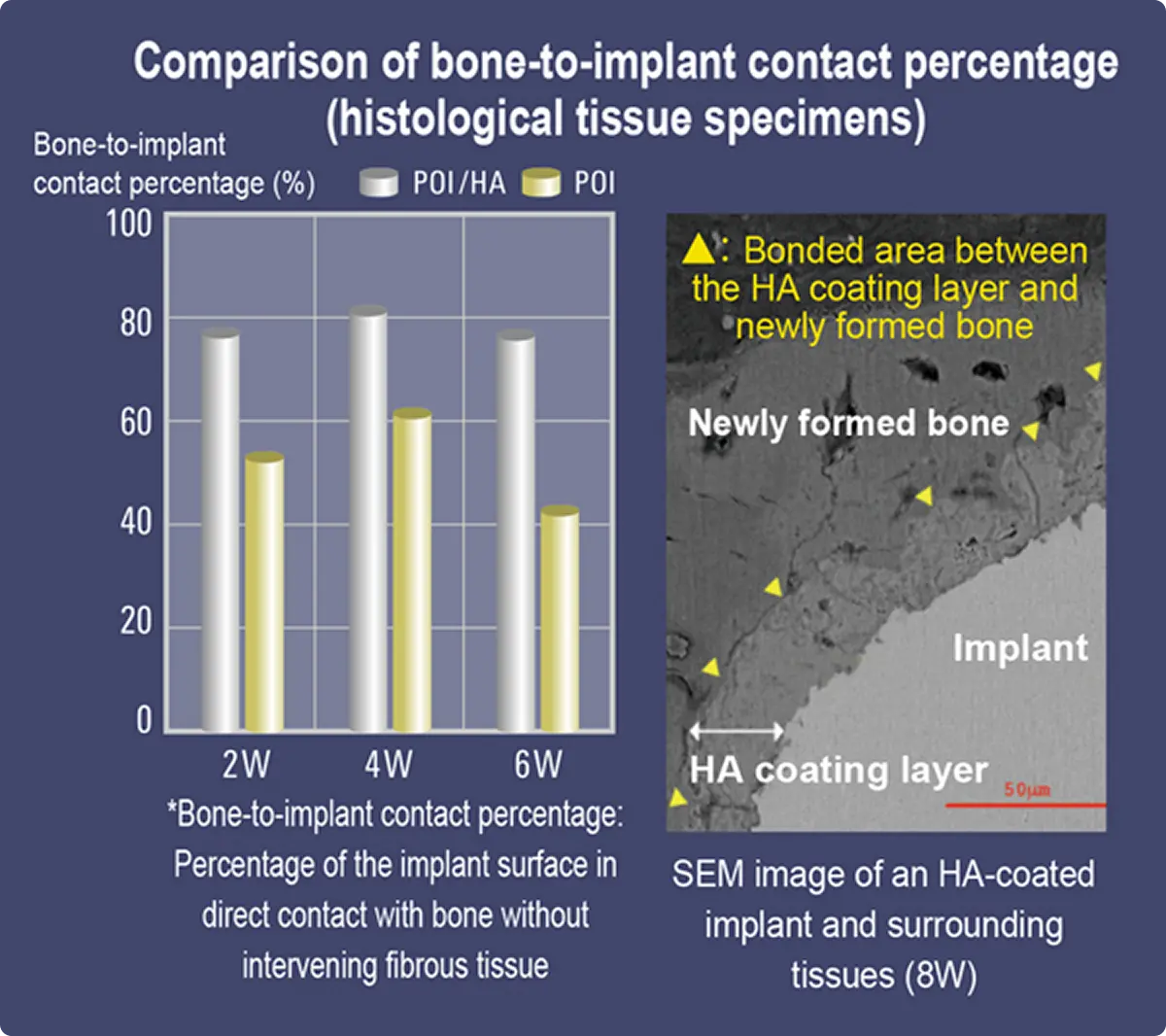
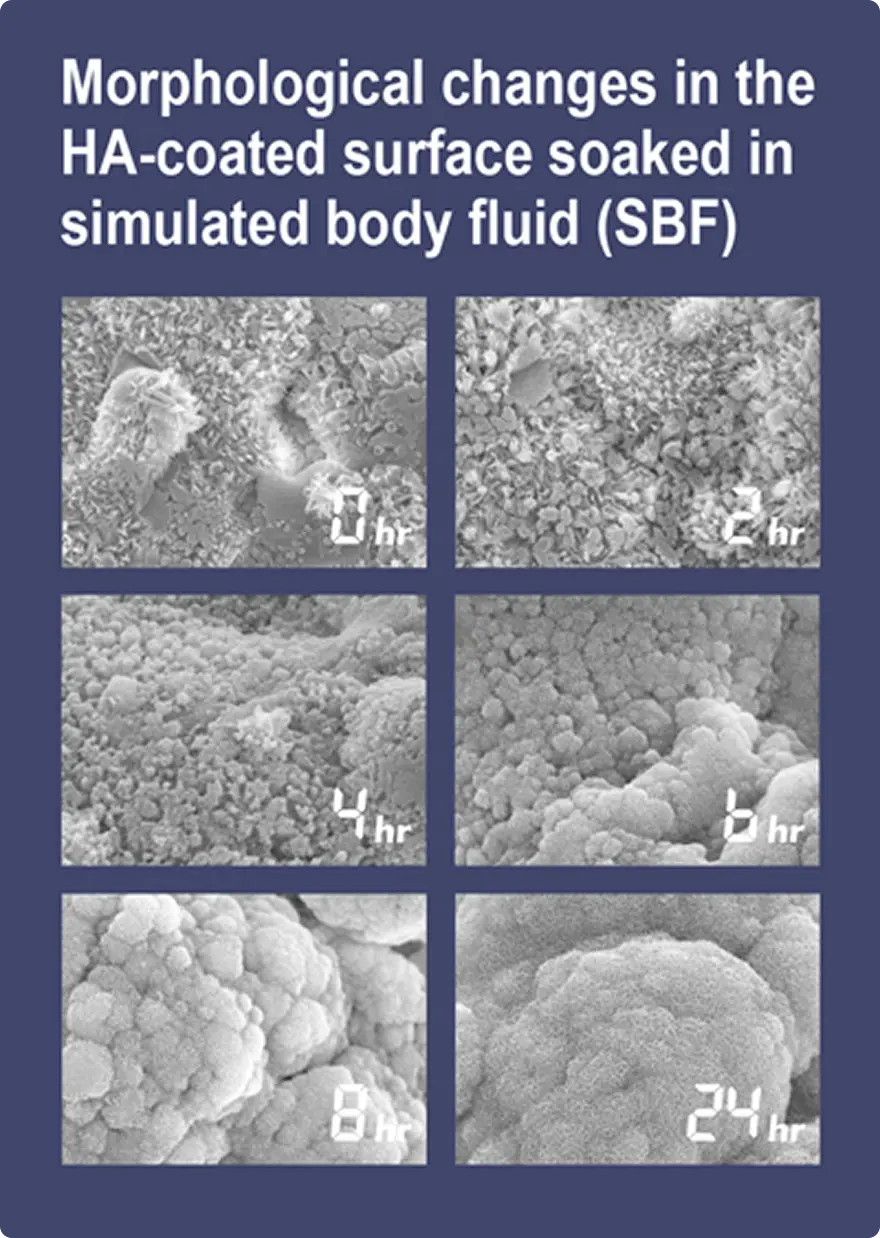
The results of the reverse rotation removal torque test suggests early osseointegration of HA-coated implants, and the calculated percentage of the bone-to-implant contact area was higher in HA-coated implants. The SEM image confirmed good osseointegration between the HA coating layer and highly calcified newly formed bone.
In the simulated body fluid soaking test, deposition of the crystalline phase, which was presumed to be an HA layer, was observed in minute areas on the surface at four hours of immersion, and this crystalline phase showed growth over time.
Anodizing surface treatment
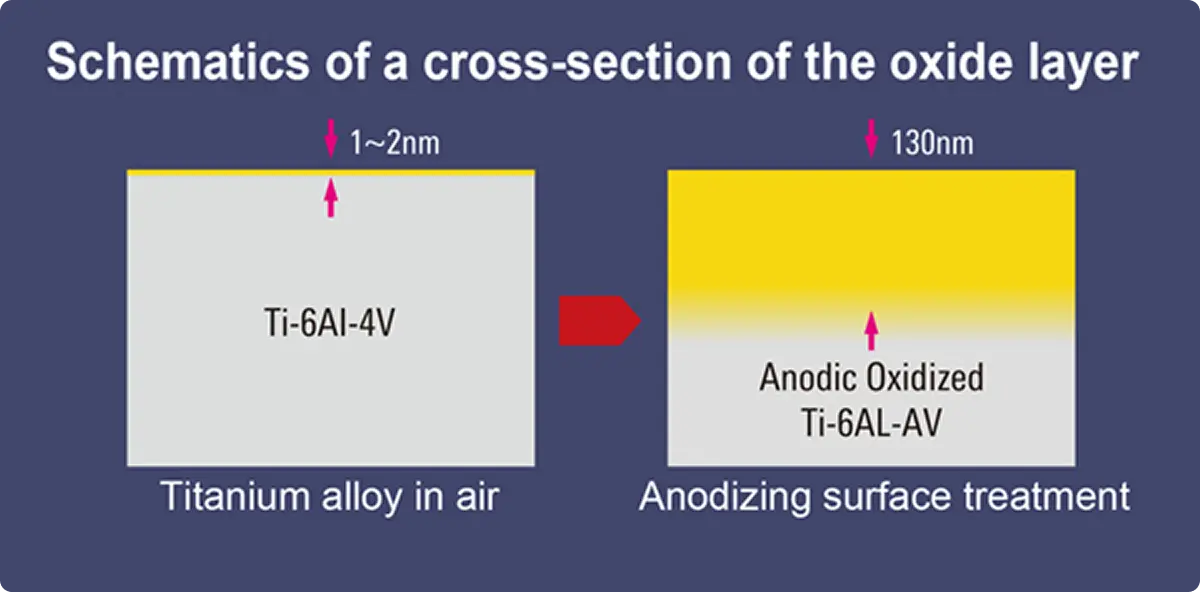
The surface is anodized to form a 130-nm thick oxide layer, which has excellent properties, including enhanced intraoral esthetics by the coloration.
Other Features
Universal drilling system
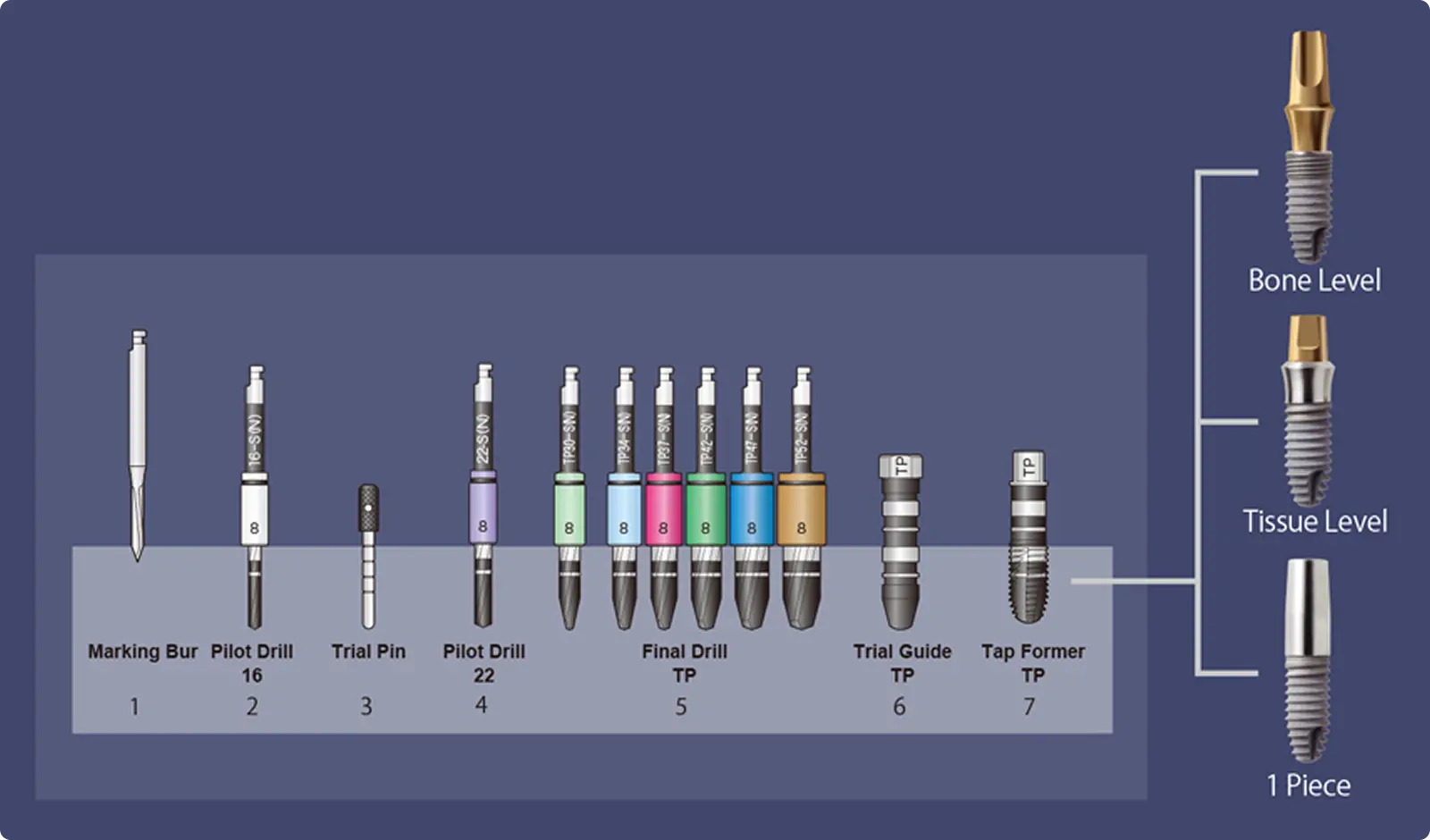
As universal design is adopted in the implant body shape, the same technique can be applied for drilling. Accurate and efficient cutting technology based on Kyocera Industrial Tool department technology has been adopted to create a high quality drill.
Packaged for smooth opening and closing
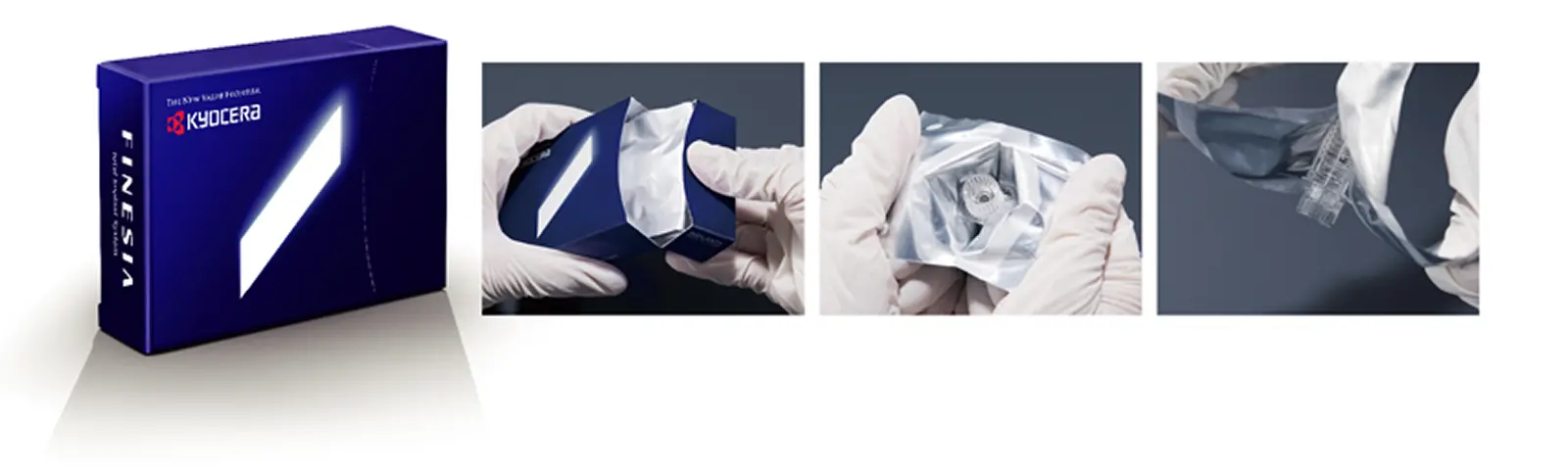
The outer shrink package can be opened in one step and the implant body is sealed in an aluminum pack designed to protect it from moisture.
Unique implant case
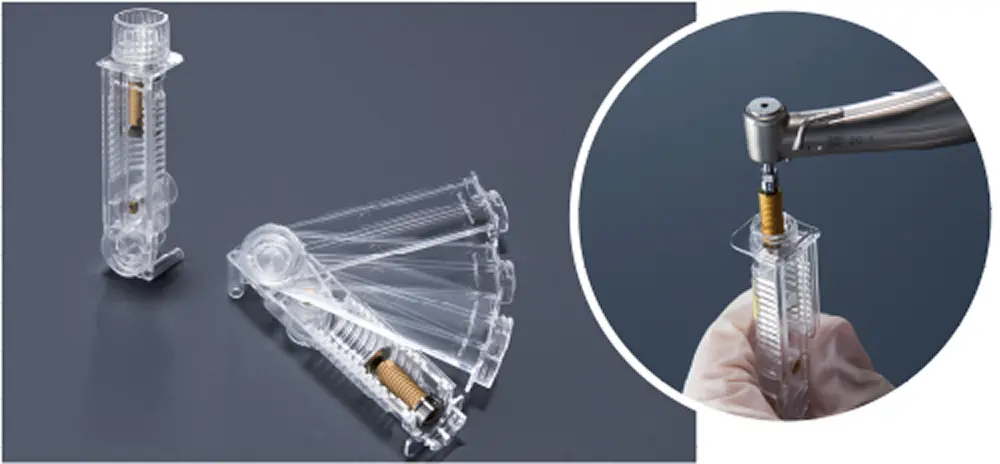
The implant case, common for all implant types (BL/TL/1P), contains a cover cap and can be handled with one hand. It also has a unique stand and slide cover (except 1P).
Safety Stopper
The stopper, available in 1-mm incremental lengths, fits all drills, ranging from pilot drills to final drills, to ensure safe and accurate drilling. A dedicated case is also available for easy selection of stopper and fitting with a single action.